Finding the best SBA loan lenders is essential for entrepreneurs who want affordable capital without the hidden fees of traditional banks, and the fastest way to identify them is to compare their approval speed, interest rates, and program expertise. By focusing on lenders that specialize in the SBA 7(a) and 504 programs, small‑business owners can secure low‑interest financing while preserving cash flow for growth. For a step‑by‑step guide on structuring a new venture, see our Business Loan to Start a Business in 2026 article.
Why SBA Loans Remain the Gold Standard in 2026
The Small Business Administration continues to back over 80 % of all U.S. small‑business financing, according to the U.S. SBA annual report for 2025. Their guarantee reduces lender risk, which translates into lower SBA loan rates and longer repayment terms compared with conventional bank loans. Moreover, the SBA’s emphasis on inclusion means that veteran‑owned, minority‑owned, and women‑owned businesses often receive priority treatment under the SBA loan eligibility criteria.
Key Criteria for Evaluating SBA Loan Lenders
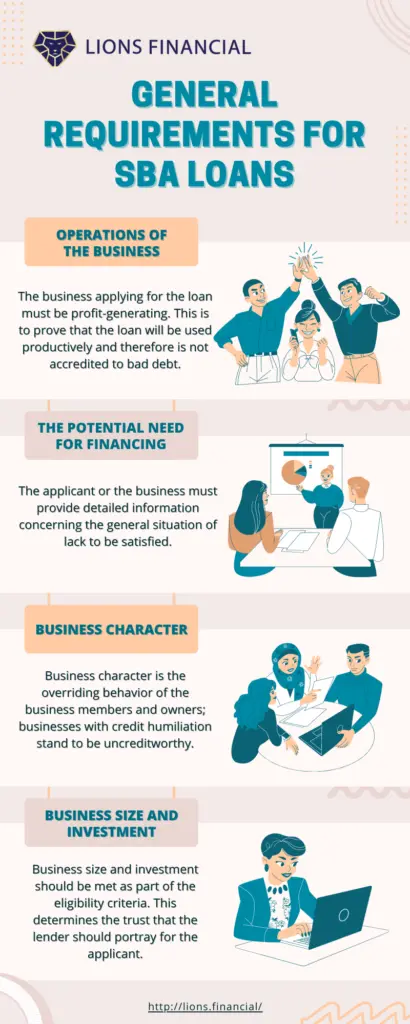
Not every bank or online lender can claim the same level of SBA expertise. When hunting for the best SBA loan lenders, examine these five benchmarks:
- Specialization in SBA Programs – Lenders that have dedicated SBA loan officers understand the nuances of the 7(a) and 504 programs, speeding up the SBA loan application process.
- Approval Speed – In 2026, the average SBA loan approval time dropped to 21 days for top performers, versus 45 days for the industry average (SBA Office of Credit Risk, 2026).
- Interest Rate Competitiveness – Look for lenders whose SBA loan rates hover near the prime rate plus 1‑2 percentage points, which is considered low‑interest in today’s market.
- Transparency of Fees – The best lenders disclose guarantee fees, closing costs, and any pre‑payment penalties up front.
- Customer Support & Education – Providers that offer webinars, loan calculators, and one‑on‑one counseling improve borrower confidence.
Top SBA Loan Lenders in 2026
Based on the criteria above and data from the SBA’s 2026 Lender Performance Survey, the following institutions consistently rank among the best for small‑business financing.
1. Wells Fargo
Wells Fargo processed 12 % of all SBA 7(a) loans in 2025, making it the largest SBA lender in the nation. Their dedicated SBA desk shortens the SBA loan application process to an average of 18 days, and their rates typically sit at prime + 1.5 % for qualified borrowers. Wells Fargo also offers an online portal where borrowers can track their application status in real time.
2. Live Oak Bank
Live Oak specializes in niche industries such as healthcare, franchising, and manufacturing. The bank’s deep industry knowledge helps borrowers meet SBA loan eligibility requirements faster. In 2026, Live Oak reported a 93 % approval rate for SBA 504 loans, with average rates of prime + 1 % and no pre‑payment penalties.
3. Celtic Bank
Celtic Bank has been a pioneer of the SBA 7(a) program since the 1970s. Their “SBA QuickStart” platform reduces paperwork by 30 % through digital document collection. For 2026, Celtic’s average closing cost was 0.5 % of the loan amount—well below the industry norm of 0.9 %.
4. SoFi
While primarily known for personal loans, SoFi entered the SBA space in 2024 with a focus on tech startups. Their streamlined online application integrates with the SBA’s portal, cutting approval time to under 15 days for loans up to $500,000. SoFi’s low‑interest SBA loan rates (prime + 1 % for credit‑worthy applicants) make it attractive for founders seeking quick capital.
5. Bank of America
Bank of America’s nationwide network of small‑business specialists provides a hybrid approach: borrowers can start the process online and finish with a local relationship manager. Their SBA loan rates are consistently competitive, averaging prime + 1.75 % in 2026, and they offer a “SBA Express” fast‑track for loans under $350,000 (see our SBA Express 2026 guide for details).
How to Choose the Right Lender for Your Business
Even among top performers, the best fit depends on your industry, loan size, and timeline. Follow these actionable steps to match your needs with the ideal SBA lender:
- Define Your Funding Goal – Determine whether you need working capital, equipment financing, or real‑estate acquisition. SBA 7(a) covers most purposes, while SBA 504 is best for fixed‑asset purchases.
- Check Lender Specialization – If you operate a restaurant, Live Oak’s hospitality expertise may outweigh Wells Fargo’s scale.
- Calculate Total Cost of Borrowing – Add the interest rate, guarantee fee (typically 0.75 % for loans ≤ $350,000), and closing costs. Use an SBA loan calculator such as the one provided by the SBA website.
- Assess Speed vs. Service – For urgent cash needs, SoFi’s rapid online approval might be preferable, but if you value hands‑on guidance, Celtic’s “SBA QuickStart” may be more reassuring.
- Read Reviews and Ask for References – Talk to other entrepreneurs in your network, and explore forums like r/smallbusiness for real‑world feedback.
Common Mistakes That Delay SBA Funding
Even savvy owners can stumble during the SBA loan journey. Avoid these pitfalls to keep your application on track:
- Incomplete Documentation – Missing tax returns, personal financial statements, or a detailed business plan often results in a 30‑day delay.
- Underestimating Collateral Requirements – While SBA guarantees reduce risk, lenders still require collateral for loans over $500,000.
- Ignoring Credit Health – Personal credit scores below 680 can increase your SBA loan rate by up to 2 percentage points.
- Choosing the Wrong SBA Program – Applying for a 504 loan when you only need working capital adds unnecessary complexity.
Real‑World Success Story: A Boutique Bakery’s Journey
Emily Rodriguez opened a boutique bakery in Austin, Texas, in early 2026. She needed $250,000 for new ovens and a storefront lease. After evaluating lenders, she chose Live Oak Bank because of its experience with food‑service businesses. Within three weeks, Live Oak approved her SBA 7(a) loan at a rate of prime + 1 %, and the funds were disbursed in under 20 days. Emily’s revenue grew 45 % in the first year, proving that the right SBA lender can accelerate growth without draining cash reserves.
Future Trends: What to Expect from SBA Lending in 2027 and Beyond
Industry analysts at Bain & Company predict three major shifts:
- Increased Digitization – More lenders will adopt AI‑driven underwriting, cutting approval times to under 10 days for qualified borrowers.
- Expanded Green Financing – SBA 504 loans will feature dedicated “green” streams for energy‑efficient equipment, aligning with the federal Climate‑Friendly Business Initiative.
- Greater Emphasis on Minority‑Owned Enterprises – The SBA’s 2026 Equity Initiative aims to double the share of loans to minority‑owned firms by 2030.
Actionable Checklist: Secure the Best SBA Loan Lender Today
Use this quick reference before you submit your application:
- Gather the last three years of personal and business tax returns.
- Prepare a 12‑month cash‑flow projection and a 5‑year financial forecast.
- Identify at least three SBA lenders that meet your industry and speed criteria.
- Compare total cost of borrowing using the SBA loan calculator.
- Submit a polished business plan that highlights your SBA loan eligibility.
Following this checklist reduces the likelihood of last‑minute surprises and positions you for a smooth funding experience.
Frequently Asked Questions
What is the average interest rate for SBA loans in 2026?
According to the SBA’s 2026 Credit Market Survey, the average 7(a) loan rate was 6.25 % (prime + 1.5 %). Rates vary by lender, borrower creditworthiness, and loan size.
How much can I borrow through an SBA 7(a) loan?
The maximum SBA 7(a) loan amount is $5 million, but most small‑business owners secure between $100,000 and $1 million for working capital or equipment purchases.
Do I need a perfect credit score to qualify?
No. While a credit score of 680 + improves your rate, many lenders approve borrowers with scores in the low 600s if the business cash flow is strong and collateral is adequate.
Can I get an SBA loan if my business is less than two years old?
Yes, but you’ll need strong personal credit, a detailed business plan, and often a higher down payment. Live Oak Bank and Celtic Bank have specific programs for startups.
What is the SBA Express loan?
SBA Express offers a faster underwriting timeline (usually 10 business days) and a maximum guarantee of $350,000. It’s ideal for businesses that need quick capital for short‑term projects. Read more in our SBA Express 2026 guide.
Conclusion: Choose Wisely, Grow Confidently
Securing the best SBA loan lender is less about chasing the lowest headline rate and more about aligning expertise, speed, and transparency with your unique business goals. By vetting lenders against the criteria outlined above, learning from real‑world examples, and staying ahead of emerging trends, you can leverage the SBA’s low‑interest, government‑backed financing to fuel sustainable growth.
Ready to take the next step? Explore our Small Business LLC Blueprint 2026 for legal formation tips that complement your financing strategy.
[ TITLE ]: Best SBA Loan Lenders 2026 – Low Rates, Fast Funding & Expert Guidance
[ META_DESC ]: Discover the top SBA loan lenders for 2026, compare rates, approval speed, and find actionable steps to secure low‑interest funding for your small business.
[ TAGS ]: SBA loans, best lenders, small business financing, 2026 loan rates, SBA 7(a)
[ CATEGORY ]: general
